


If you’ve applied for a modelling, acting, or commercial gig in the last two years, you already know:
Self-tapes are the new audition room.
For many casting directors, agencies, and brands, your self-tape is the first (and sometimes only) chance to make an impression. That means quality matters.
At Thrilla, we help creative professionals like you land jobs with the right clients. That includes making sure your self-tape shows off your talent in the best possible light - literally and figuratively.
So without further ado, here are 8 essential tips for creating a winning self-tape:
1. Follow the Instructions (Every. Single. Time.)
It sounds simple, but you’d be surprised how many self-tapes are rejected because the talent didn’t follow directions.
Whether it’s frame size, file type, or scene requirements, read the brief carefully. Clients want to see that you can take direction - starting with the tape itself.
2. Use a Neutral Background
Your background shouldn’t steal the spotlight.
- Plain, light-colored walls work best.
- Avoid busy patterns, posters, or anything that distracts from you.
Pro tip: If you don’t have a suitable wall, hang a clean bedsheet or purchase an affordable photography backdrop.

3. Prioritize Lighting
Good lighting = better visibility = more bookings.
Natural light is great, but can be unpredictable.
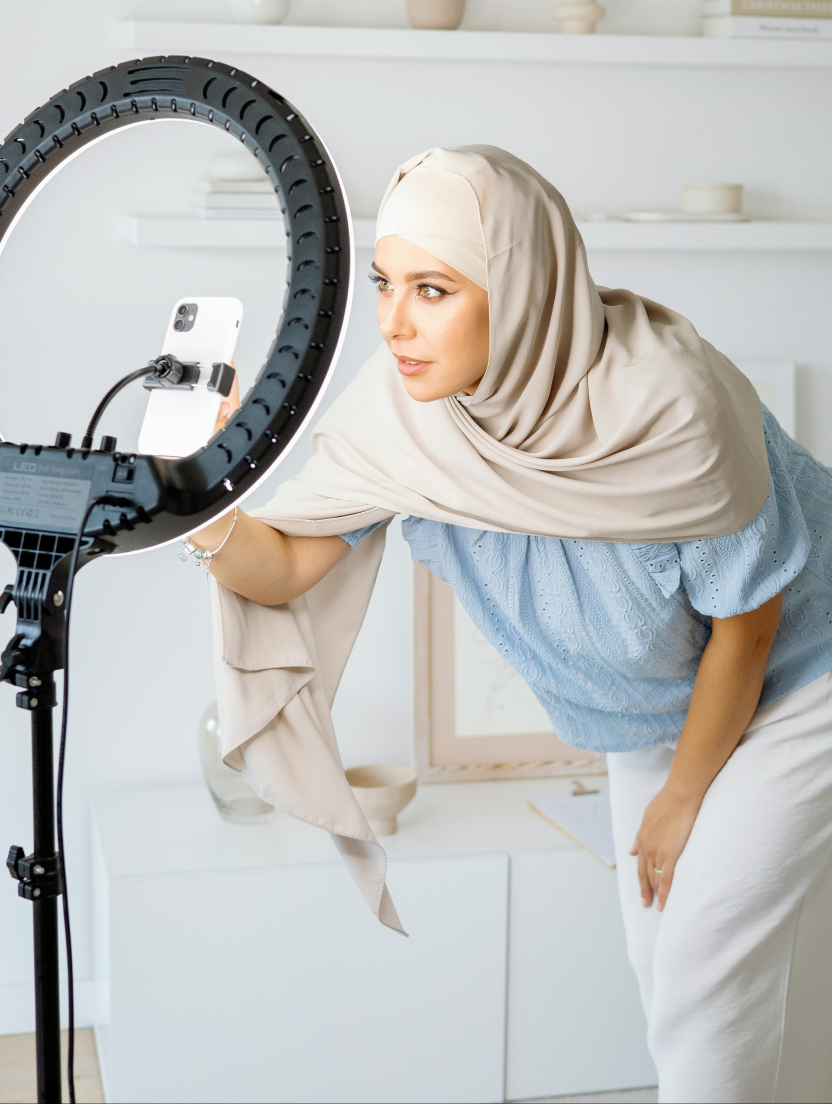
Consider using two softbox lights or LED ring lights placed at 45-degree angles from your face.
On Fluye, we often recommend soft, even lighting for modelling tapes and slightly more dramatic setups for acting tapes (when appropriate of course).
4. Invest in Clear Sound
If the casting team can’t hear you clearly, they’ll move on.
Your phone’s mic might work, but an affordable lapel mic or shotgun mic will improve audio quality dramatically.
Bonus: Test for background noise before you film. Turn off fans, AC units, or anything else that could interfere.
5. Frame Yourself Correctly
For most acting and commercial self-tapes:
- Medium close-up (chest to just above the head) is standard.
- For full-body modelling tapes, show your entire frame with enough headroom.
Fluye’s clients often specify framing in job briefs. Always check, and don’t guess.
6. Dress the Part and Look Fresh.
Wear simple, fitted clothing that matches the role or casting direction, and make sure you’re looking your best self.
- Solid colors (blue, grey, black) are usually best.
- Avoid logos or busy patterns.
- Fix any hair malfunctions.
Note: Modelling gigs might require body-conscious clothing, and Acting gigs may call for outfits that suggest the character (without going full costume).
7. Record Multiple Takes but Don’t Overdo It
Perfectionism can backfire.
Film 2 to 4 takes and choose the strongest one. Over-rehearsing often leads to stiff, unnatural performances.
At Thrilla, we always encourage talent to focus on energy and authenticity over “perfect” delivery.
8. Name & Submit Files Correctly
Most clients want files labeled like this: YourName_Role_Project_SelfTape.mp4
If you’re submitting through Fluye, our app automates this process, so you’ll never have to worry about file naming again!
Final Takeaway
In a world where first impressions are digital, your self-tape can make or break your booking chances.
Follow these steps. Focus on clarity, authenticity, and professionalism, and most importantly - OWN YOUR PERFORMANCE.
Early access to Thrilla is coming very soon.
Join the waitlist today and take control of your creative career.